The Complete Guide to Choosing Suit Fabric
An expert guide to selecting fine suiting fabrics, exploring fibre composition, weight, weave, British and Italian cloth, and the world's renowned textile houses. Drawing on Sanayei's heritage and expertise, discover how thoughtful fabric selection shapes exceptional tailoring and personalised style.
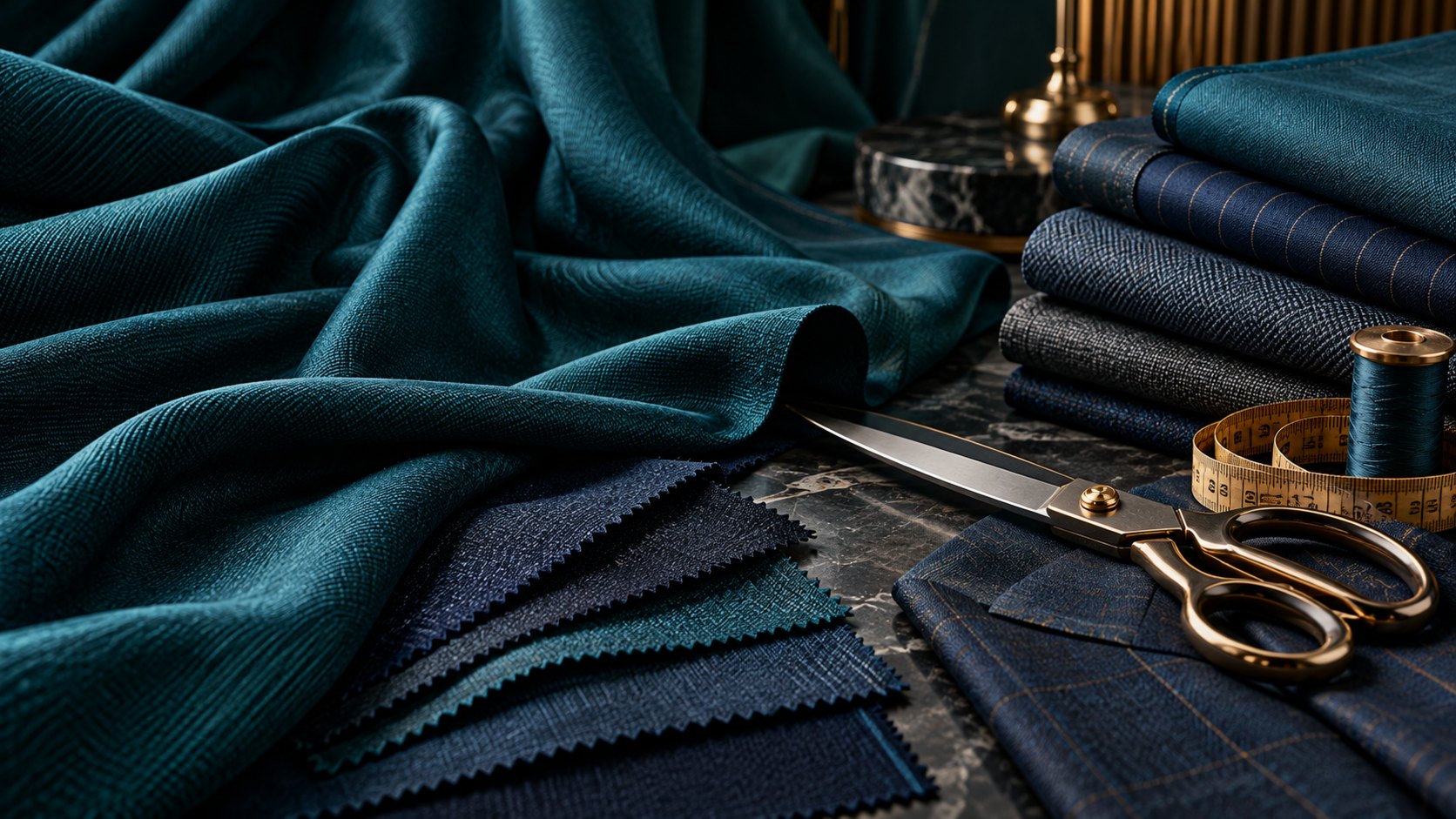
Choosing the right suit fabric is one of the most important decisions in creating a refined and well-balanced wardrobe. Beyond colour and pattern, the quality of a suit depends on the relationship between its fabric, construction, intended use and the person wearing it. Fibre composition, yarn structure, weave, weight, drape and finishing all influence how a garment looks, feels and performs over time. A beautifully tailored suit begins with a fabric that complements both the design and the wearer's lifestyle. Understanding these characteristics allows customers to move beyond superficial distinctions and make informed choices based on craftsmanship, comfort, durability and personal preference.
Understanding Suiting Fabrics: Wool, Worsted, Flannel and Natural Fibres
Wool remains a cornerstone of fine tailoring, valued for its natural elasticity, moisture management and versatility across different climates. Worsted wool, produced from combed fibres, is widely used in classic suiting because of its relatively smooth surface, clean appearance and suitability for structured garments. Flannel offers a softer, often more textured finish and is frequently associated with cooler seasons, although both woollen and worsted flannels are available. Linen provides a distinctive texture and is particularly appreciated for warm-weather tailoring, while cotton offers alternatives for more relaxed styles. Blends incorporating cashmere, mohair or other fibres introduce different combinations of softness, lustre and resilience. No single fibre is universally superior; the appropriate choice depends on the garment's purpose, the desired appearance and the conditions in which it will be worn.
Fabric Weight, Weave and the Art of Draping
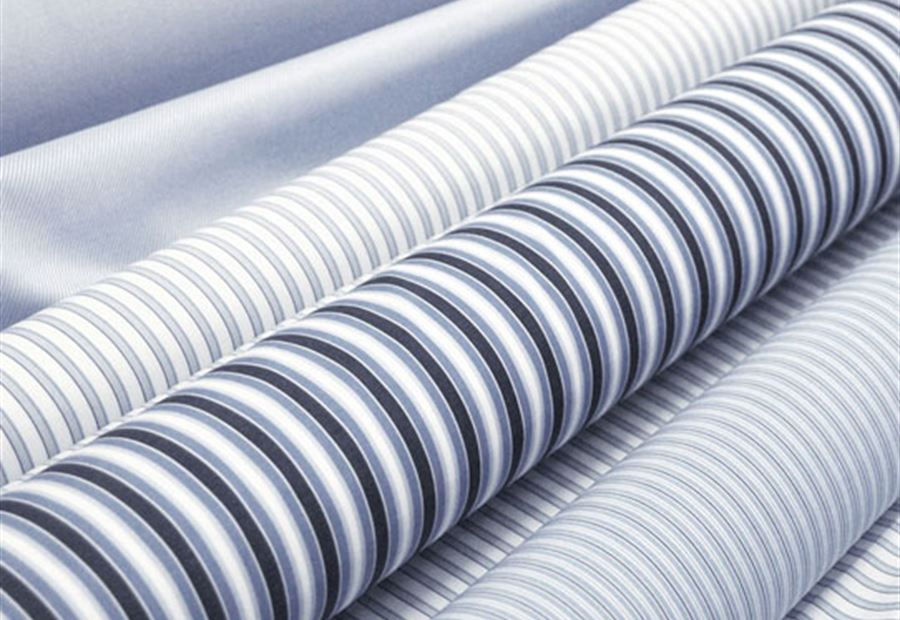
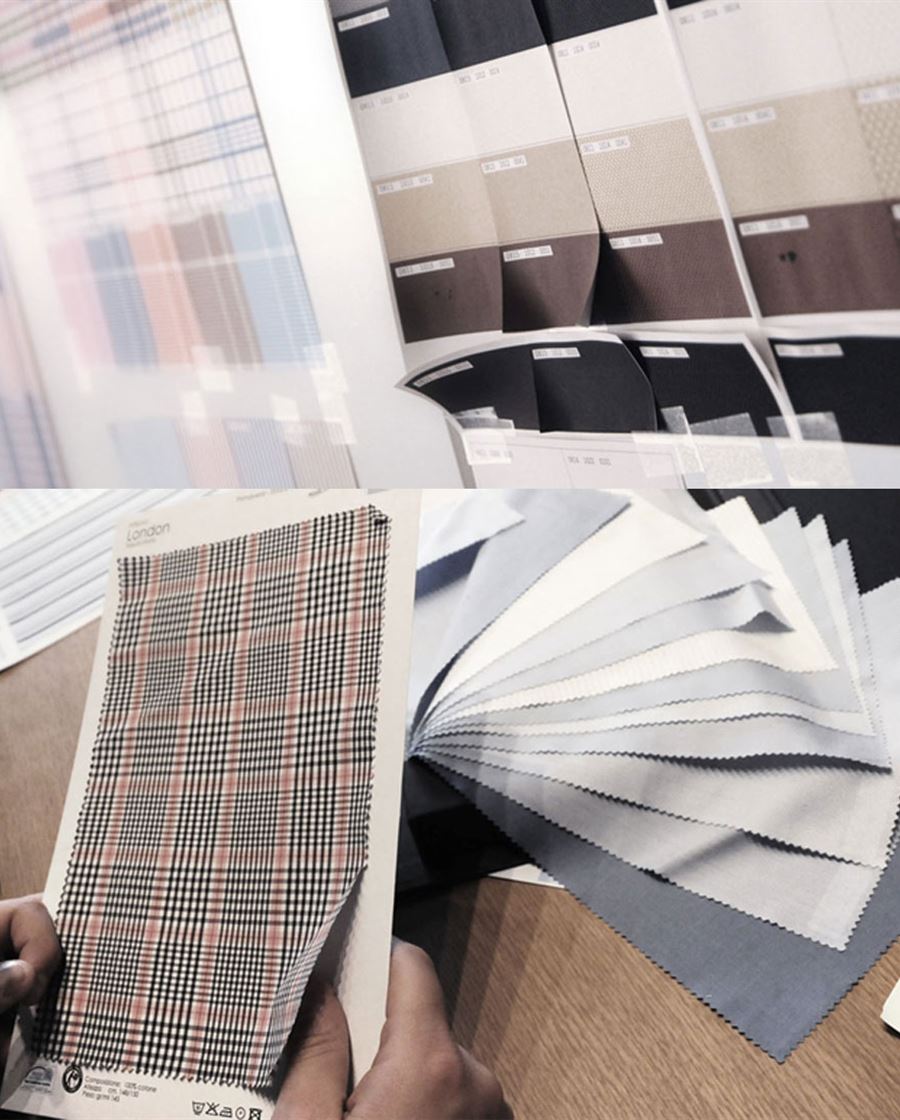
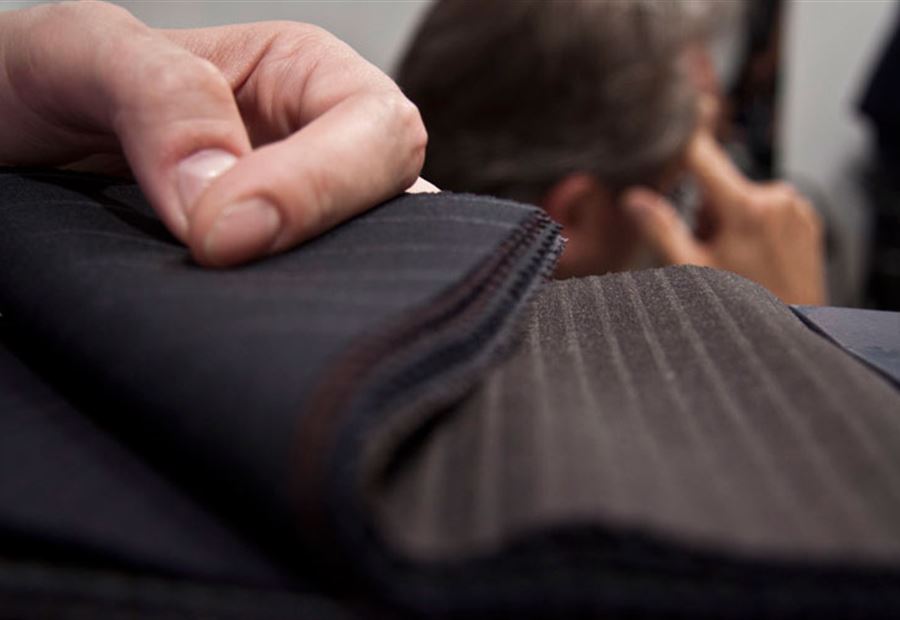
A fabric's performance cannot be determined by fibre composition alone. Weight, yarn twist, weave density and finishing techniques contribute significantly to its character. Lightweight, open-weave wool fabrics can be suitable for warmer conditions, while heavier flannels and densely woven cloths are often selected for cooler climates. Twill, plain weave and hopsack offer different combinations of texture, structure and breathability. High-twist wool yarns can provide resilience and help garments recover from creasing, making certain fabrics particularly suitable for business travel. Equally important is drape: the way fabric falls, moves and responds to the garment's construction. The Super S classification, commonly encountered in fine wool suiting, refers to wool-fibre fineness rather than fabric weight or overall quality. A higher Super number does not automatically indicate greater durability or suitability for everyday wear. The most appropriate fabric is one whose technical characteristics support the intended tailoring and frequency of use.
British and Italian Suit Fabrics: Two Distinguished Tailoring Traditions
British and Italian textile traditions have profoundly influenced the development of contemporary menswear. British cloth is historically associated with classic worsteds, flannels, tweeds and structured tailoring, while Italian textile houses are renowned for their extensive collections of refined wool fabrics, innovative blends and sophisticated finishing techniques. These distinctions reflect historical traditions rather than rigid rules: both industries produce fabrics across a broad range of weights, textures and applications. Internationally recognised names such as Holland & Sherry, Dormeuil, Scabal, Drago, Reda, Fox Brothers and Piacenza offer collections with distinct technical and aesthetic characteristics. When selecting luxury suiting, a discerning customer should consider the specific collection, fibre composition, provenance, weight and intended application rather than relying solely on a prestigious name or country of origin.
Colour, Pattern and the Principles of Understated Luxury
The visual character of a suit emerges from the relationship between fabric, colour, pattern, silhouette and tailoring. Navy and charcoal remain established choices for formal and professional wardrobes, while lighter greys, browns and natural tones offer opportunities for seasonal and individual expression. Pinstripes, checks, herringbone and subtle textured weaves introduce visual depth without necessarily compromising a garment's versatility. In the philosophy of quiet luxury, refinement is expressed through the quality of materials, precise proportions, considered details and exceptional workmanship rather than conspicuous branding. A carefully selected fabric may reveal its character through the interplay of light and texture, the elegance of its drape or the precision with which its pattern aligns across a finished garment. The objective is not simply to attract attention, but to create clothing whose quality becomes evident through closer observation and continued wear.
Made-to-Measure and Cut-Length Services: From Fabric Selection to Personalised Tailoring
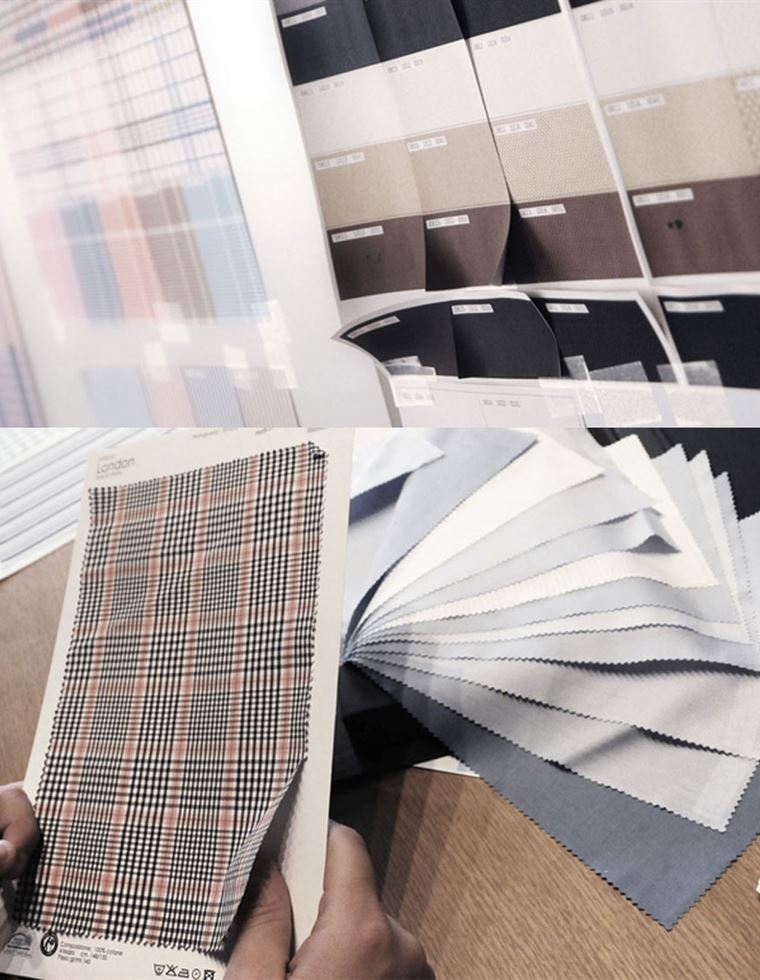
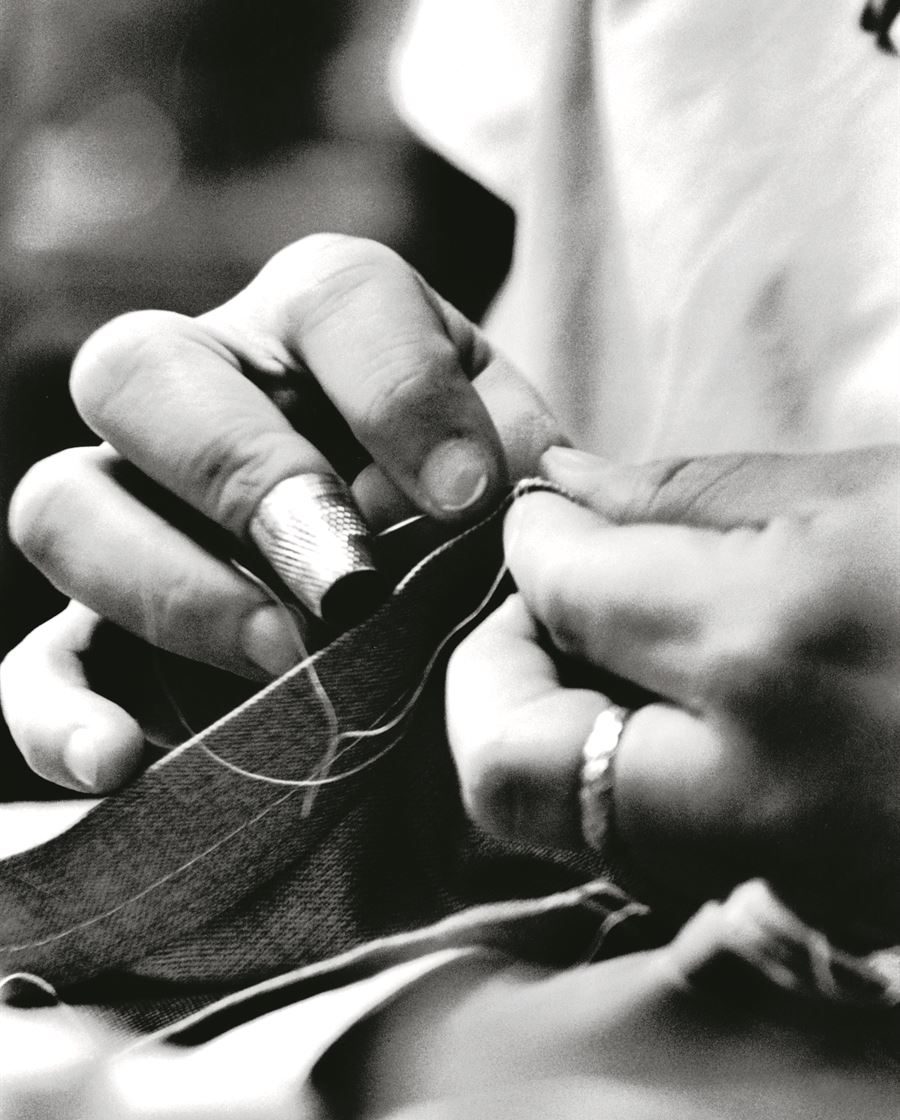
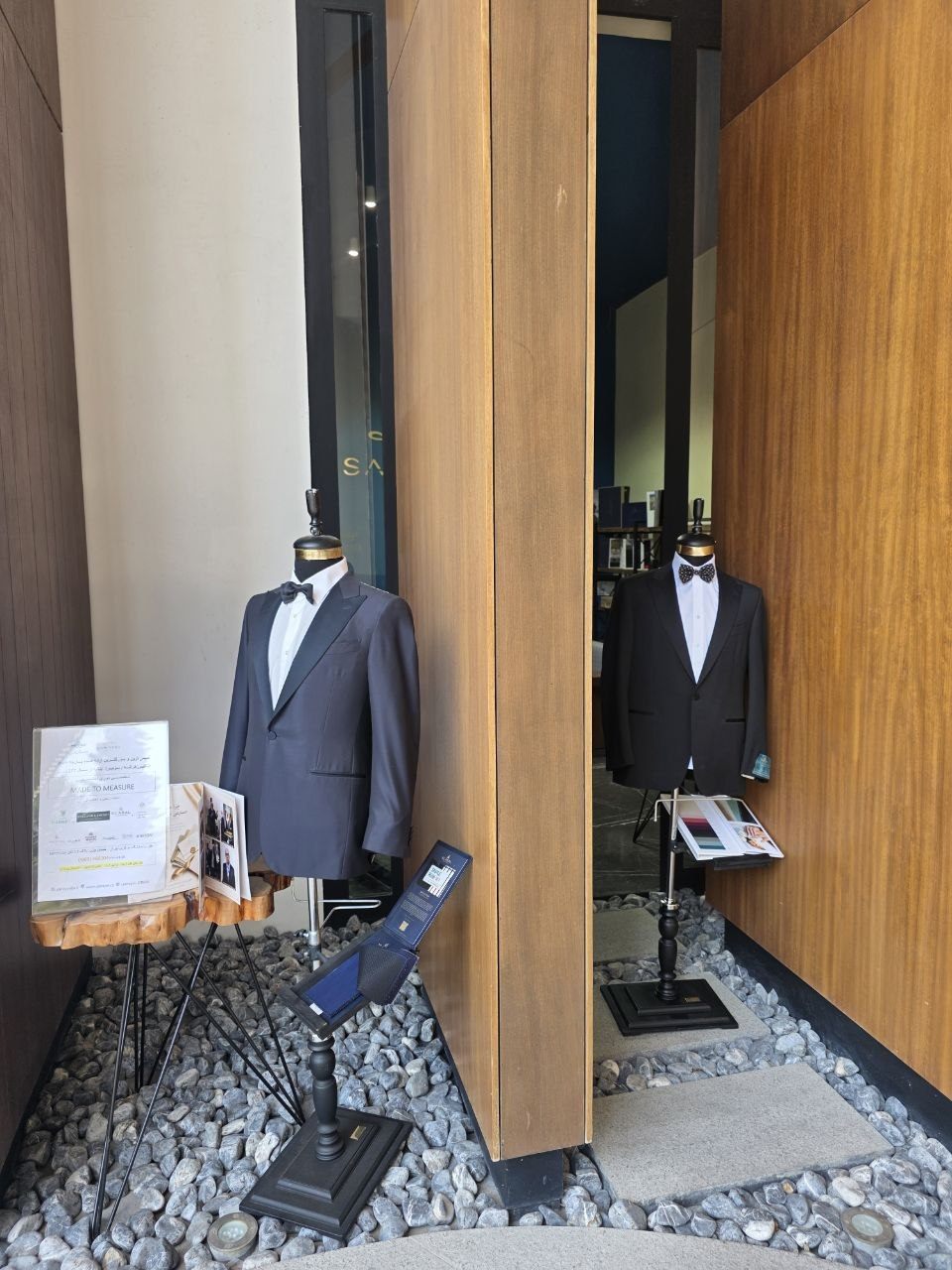
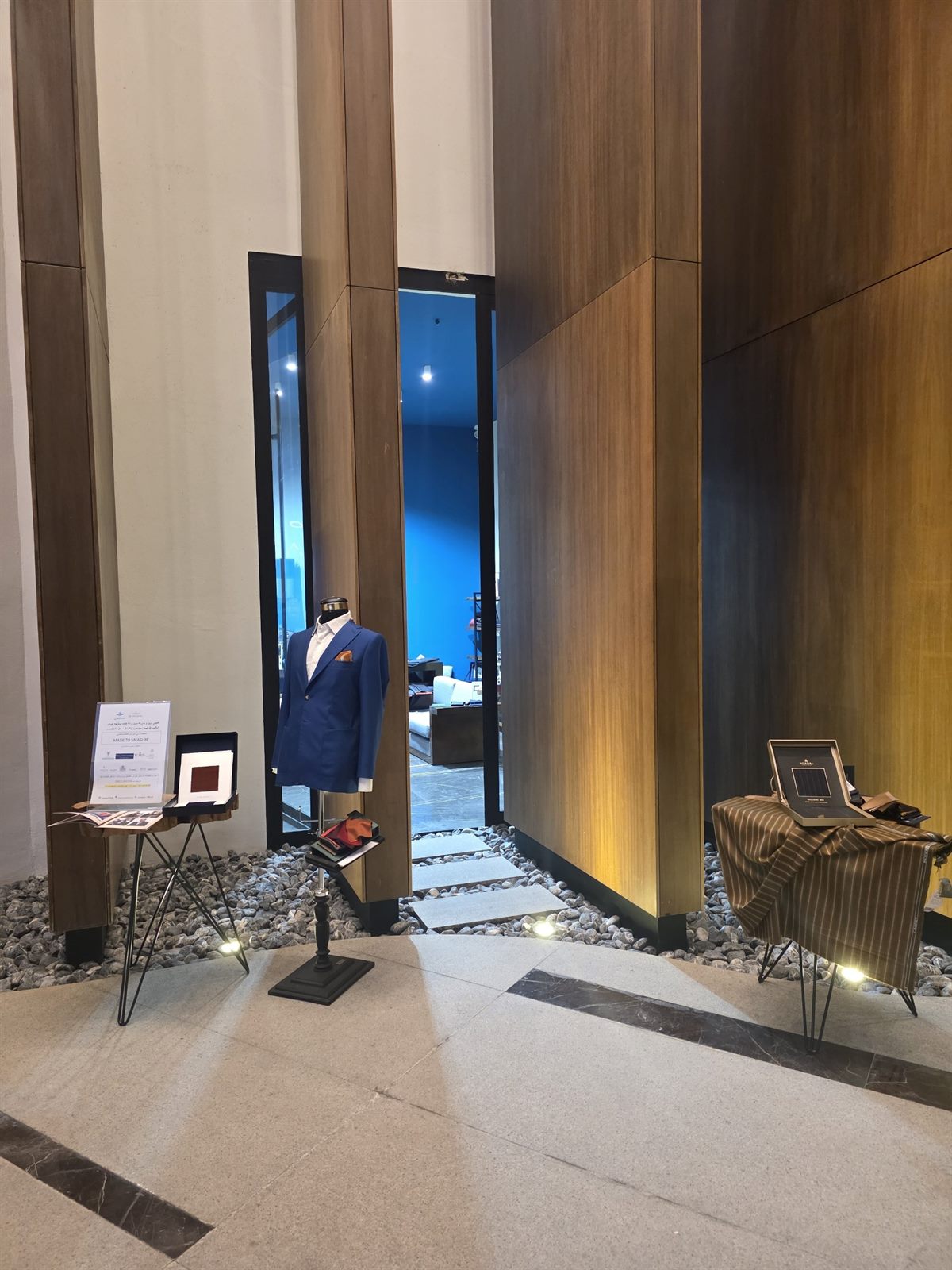
Selecting a fine fabric becomes particularly meaningful when it is integrated into a personalised tailoring experience. Made-to-Measure (MTM) allows customers to choose their preferred cloth, silhouette and available design details while adapting an existing pattern to their individual measurements. Unlike ready-to-wear clothing, MTM provides greater control over fit and personalisation, although it differs from traditional bespoke tailoring, in which an individual pattern is generally developed from scratch. For customers working with their own tailors, a cut-length service provides access to the required quantity of fabric without purchasing an entire roll. These services also support professional tailors, designers and ateliers seeking access to specialised international collections. In both cases, informed fabric selection, accurate measurements and an understanding of the cloth's behaviour during construction are essential to achieving a coherent finished garment.
The Sanayei Perspective: A Heritage of Fabric Expertise and Considered Selection
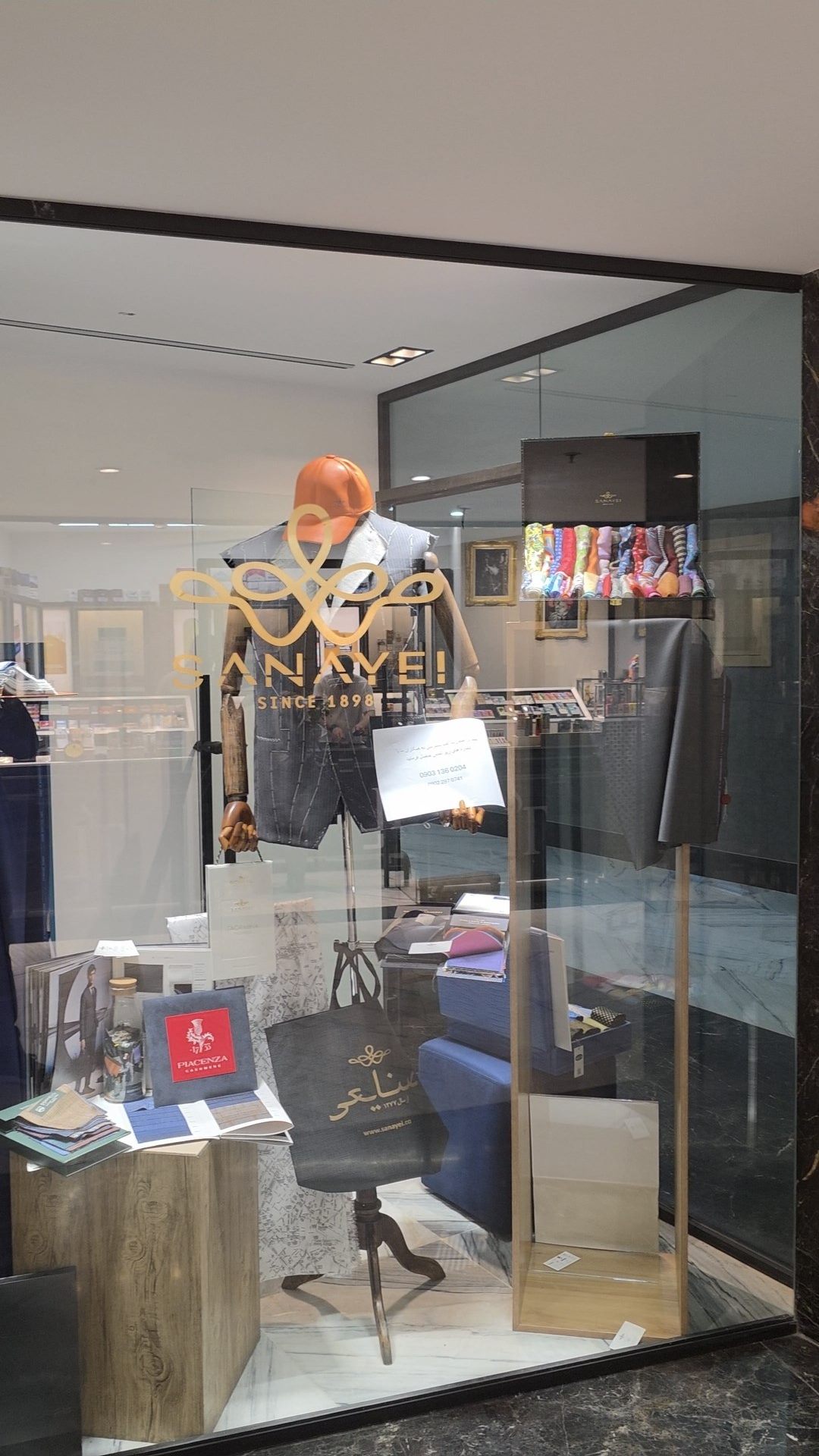
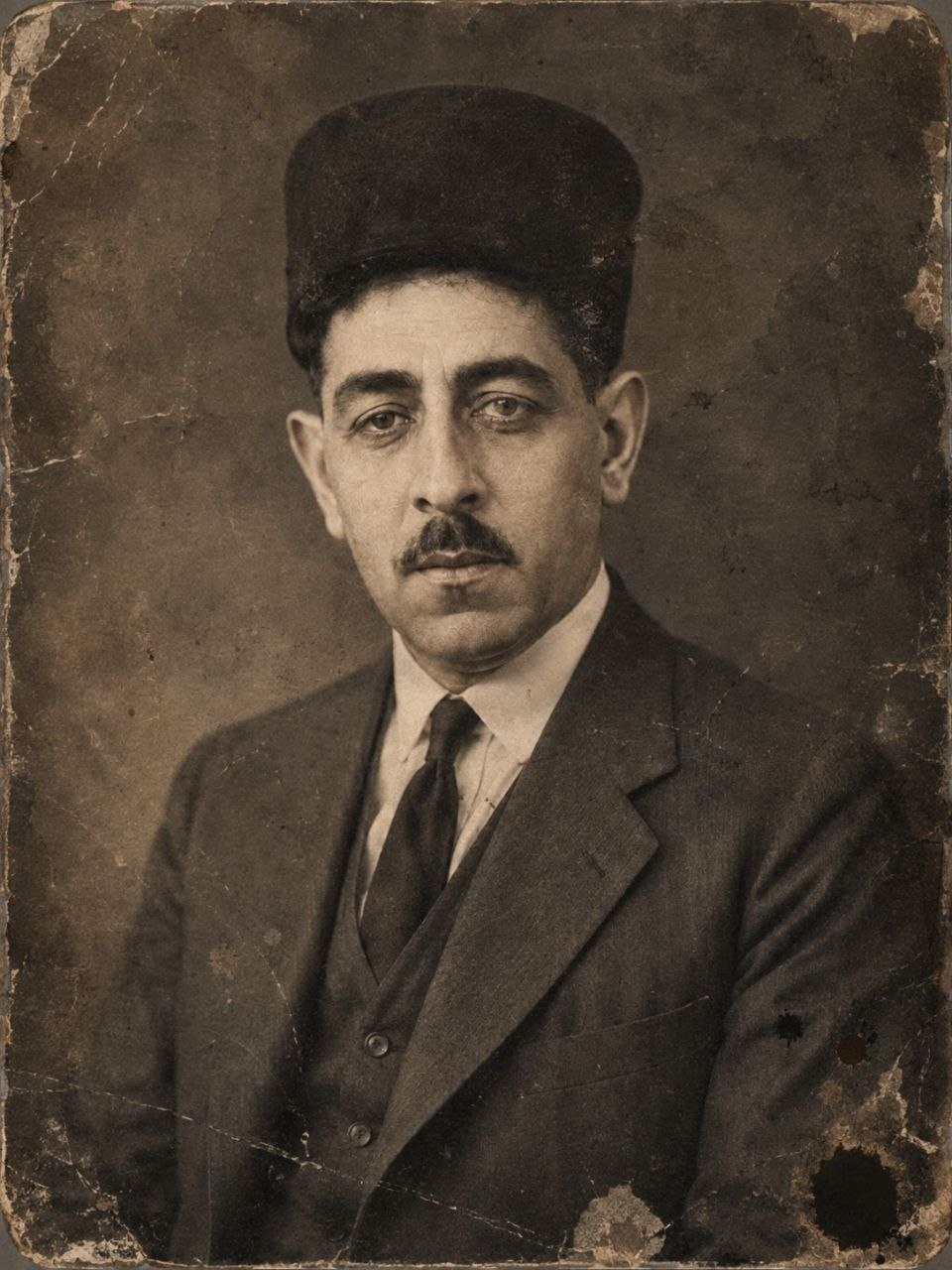
Tracing its heritage to 1898, Sanayei's story began with the family's involvement in importing British textiles into Iran and evolved through generations of experience in fabric selection and the clothing industry. Today, this heritage informs an approach that combines an understanding of traditional textile craftsmanship with access to international fabric collections and personalised services. Rather than treating luxury as a matter of price or reputation alone, Sanayei approaches fine suiting through the relationship between material quality, technical knowledge, individual requirements and thoughtful design. Whether selecting British or Italian cloth, exploring a new suiting collection or commissioning a made-to-measure garment, the fundamental principle remains unchanged: the right fabric is the one that brings together its inherent qualities, the intended garment and the expectations of the person who will wear it.